Emerging biomarker for thrombotic risk stratification in coronary artery disease

Hemostasis February 25, 2026 45 min
Speakers
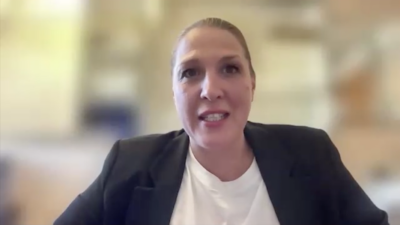
Marina Camera, Ph.D., FESC
Full Professor of Pharmacology Università degli Studi di Milano and Centro Cardiologico Monzino IRCCS, Milan, Italy

About This Webinar

Despite major advances in the diagnosis and treatment of cardiovascular disease, patients with coronary artery disease (CAD) continue to face a significant risk of thrombotic complications. The recurrence rate remains high, at 5 to 7% per year, even with current antiplatelet therapy. This gap underscores the need to improve thrombotic risk stratification beyond conventional scores that rely on clinical comorbidities (e.g., hypertension, chronic kidney disease, diabetes, smoking) but fail to capture the central role of activated platelets in thrombus formation.

Integrating platelet activation markers into predictive algorithms has long been challenging due to the lack of a gold-standard biomarker and the limited platelet specificity of soluble mediators such as P-selectin, CD40 ligand, and platelet factor 4. Among surface markers, however, tissue factor (TF) has emerged as a promising candidate. Co-expressed with phosphatidylserine on the surface of activated platelets, TF plays a pivotal role in conferring platelets their prothrombotic potential. Elevated levels of TF-positive platelets have been observed in CAD, and the thrombogenicity of atherosclerotic plaques scales with their TF content. These findings position TF positive platelets as a biologically specific and clinically relevant biomarker capable of refining risk prediction in both acute and chronic coronary syndromes.
During this webinar, clinicians, clinical pathologists, researchers, and clinical laboratory staff will have the opportunity to deepen their knowledge of the role of TF-positive platelets in arterial thrombosis and CAD progression, as well as their potential to improve thrombotic risk stratification beyond traditional models.